Hayes Town gardeners guide for Victorian terrace gardens
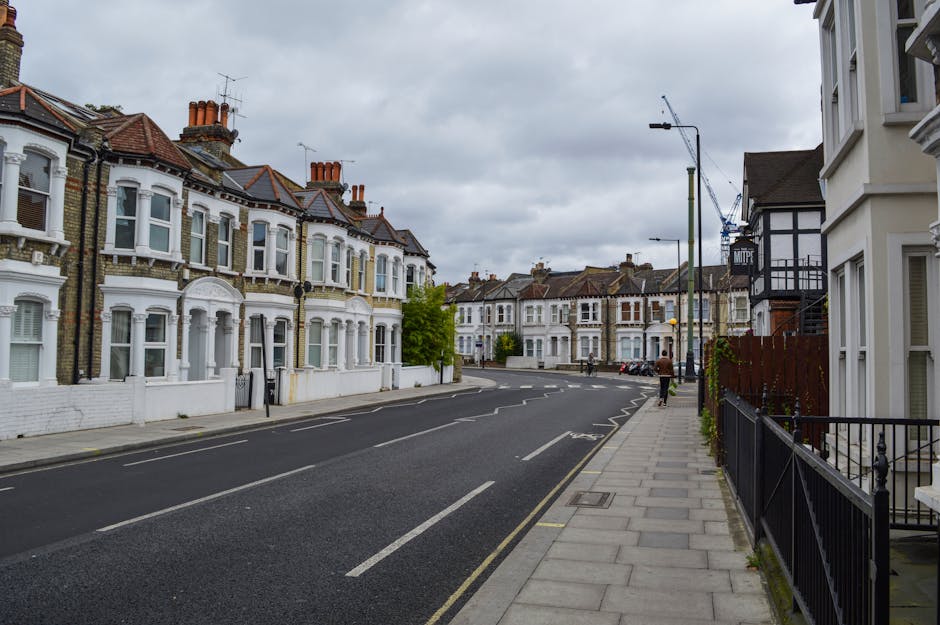
If you live in a Victorian terrace in Hayes Town, you already know the garden can be charming and awkward in equal measure. Narrow access, shaded patches, old brick walls, tired soil, and a layout that never quite seems to match your plans - it all adds up. This Hayes Town gardeners guide for Victorian terrace gardens is here to make that reality easier to work with, not fight against. Whether your plot is a compact front garden, a split-level rear yard, or a long strip that gets one hour of sun on a good day, the right approach can turn it into a space that feels calm, practical, and genuinely lovely.
We will look at how Victorian terrace gardens are usually put together, what to prioritise in a Hayes Town setting, which mistakes quietly waste time and money, and how to decide whether to tackle the work yourself or get help. A good garden does not need to be huge. It just needs a plan. And, to be fair, that plan should suit the house rather than fight it.
Why Hayes Town gardeners guide for Victorian terrace gardens Matters
Victorian terrace gardens have a very particular feel. They were often designed around utility first: a place for drying washing, growing a few plants, storing bins, maybe keeping a path clear from house to shed. In Hayes Town, many of these gardens now need to do much more. They might be expected to entertain, support wildlife, provide privacy, handle pets, or simply look cared for without demanding endless maintenance.
That is why a specialist approach matters. Terrace gardens are rarely flat, open, and simple. They usually have constraints that shape every decision:
- long, narrow layouts that limit access
- shade from boundary walls or nearby buildings
- compacted soil from years of use
- patchy drainage after heavy rain
- privacy issues from neighbouring windows and upper floors
- older brickwork, paving, or edging that needs care
In a local area like Hayes Town, that means the best garden work is often less about grand redesign and more about smart decisions. Small changes can create a surprisingly big shift. One well-placed seating area, a better path, or a stronger planting structure can make a tight terrace garden feel twice as usable. Have you ever stood in a back garden and thought, "This should work better than it does"? That feeling is exactly where good garden planning begins.
For homeowners, landlords, and buyers, it also matters because a tidy, well-designed garden supports kerb appeal and day-to-day enjoyment. It can make a house feel more complete. If you are comparing what needs doing, it is worth looking at the wider services overview to understand how general maintenance, planting, and tidy-up work can be combined in a sensible way.
How Hayes Town gardeners guide for Victorian terrace gardens Works
The simplest way to think about a Victorian terrace garden is this: the house sets the rules. The garden needs to respond to the architecture, the light, the access, and the intended use. In practice, that means starting with a basic site read before any digging or buying begins. A good gardener will usually look at sun, shade, drainage, soil condition, boundary structure, and how people actually move through the space.
From there, the work usually falls into a few linked stages:
- Assessment - measure the space, note the problem areas, and identify what must stay.
- Clearance and reset - remove clutter, prune, weed, and expose the true shape of the garden.
- Structural decisions - decide on paths, beds, lawn areas, planters, screening, or storage zones.
- Soil improvement - restore tired ground so plants have a chance to thrive.
- Planting design - choose plants that suit the light level, style, and maintenance tolerance.
- Maintenance planning - set a routine so the garden does not slide back into chaos by midsummer.
That sounds tidy on paper. In reality, a terrace garden often needs a few compromises. You might want lawn, but the site may be too shaded. You might want lush planting, but the soil may be shallow or dry near the wall. Good gardeners do not pretend those issues do not exist. They work with them. That is the difference between a garden that looks nice for two weeks and one that keeps working through the seasons.
For many clients, the most useful step is not a complete makeover but a phased plan. A front section gets made neat first, then the back half, then planting, then lighting or furniture placement. It is calmer that way, and honestly, easier to budget for too. If you are already weighing up next steps, the page on pricing and quotes is a sensible place to start when you want to understand how work is usually scoped.
Key Benefits and Practical Advantages
There are obvious benefits to improving a Victorian terrace garden, but the less obvious ones are often the most valuable. A well-planned garden can reduce maintenance stress, make the home feel larger, and create a place you actually want to spend time in after work, not just glance at from the kitchen window.
Here are the main advantages in practical terms:
- Better use of space - even a small plot can be divided into usable zones rather than becoming one messy stretch of compromise.
- Lower ongoing maintenance - choosing the right materials and planting reduces the need for constant rescue work.
- Improved drainage and soil health - this is a big one in older gardens, especially where years of foot traffic have hardened the ground.
- More privacy - screening, climbers, and layout changes can soften overlooking from nearby homes.
- Stronger visual character - Victorian terraces suit a balance of structure and planting, not a random mix of features.
- More usable outdoor living - a terrace garden should feel like an extension of the house, not a forgotten strip outside.
There is also a quiet psychological benefit. When a garden is organised, you stop noticing the unfinished bits quite so aggressively. The eye moves more easily. The space feels forgiving. And that can make a real difference on a damp Thursday evening in Hayes Town when all you want is somewhere that looks decent and asks very little of you.
If sustainability matters to you, it is worth thinking about waste handling and reusable materials early on. The garden can often be improved without throwing everything away. The company's recycling and sustainability information is useful if you want to keep the project sensible and less wasteful.
Who This Is For and When It Makes Sense
This guide is useful if you are in a Victorian terrace and the garden feels like one of those spaces you mean to sort out "soon" but never quite do. Very common, by the way. It is especially relevant for:
- homeowners with narrow rear gardens or compact front gardens
- new buyers trying to understand what a tired terrace garden needs
- landlords who want a clean, maintainable outdoor space between tenancies
- busy families who need something practical rather than high-maintenance
- older properties with mixed paving, old borders, or neglected planting
- people who want a garden makeover but do not want to start from scratch blindly
It also makes sense if the garden is technically "fine" but not quite working. Maybe the path is muddy. Maybe the fence line feels exposed. Maybe the plants are all in the wrong places, so the best bit of the garden gets ignored. You do not always need a dramatic redesign. Sometimes the right pruning, reshaping, and replanting is enough.
If the job includes more than light tidying, or if you are unsure what should be tackled first, it can help to speak with a local team that understands property types and access limitations. If you want to learn more about the people behind the service, the about us page gives a better sense of the approach and working style.
On the other hand, if you are only looking for seasonal mowing, edging, and quick refreshes, you may not need a full redesign at all. That is where honest assessment saves money. Not every garden needs a big intervention. Sometimes it just needs a steady hand. And a decent pair of gloves, if we are being frank.
Step-by-Step Guidance
If you are approaching a Victorian terrace garden for the first time, use this practical order. It stops you from spending energy on the fun bits before the foundations are sorted. Been there, seen it, regretted it.
- Walk the space properly
Do this at a couple of different times of day. Morning light and late-afternoon shade can reveal very different conditions, especially in narrow gardens bordered by buildings. - Identify the hard problems first
Check for poor drainage, broken paving, leaning fences, root competition, and soil that looks exhausted or waterlogged. - Decide what the garden must do
Ask simple questions: do you need seating, storage, a play area, more privacy, or a clear low-maintenance layout? - Clear away clutter and overgrowth
Work from the edges inward. Once the excess is gone, the real structure of the space becomes obvious. - Repair the ground and boundaries
Before planting, make sure the basic surface and borders are in reasonable shape. Plants cannot compensate for a garden that is fundamentally tired. - Add structure before detail
Paths, stepping stones, planters, screening, and defined beds should come before decorative extras. - Choose planting for the actual site
Go for shade-tolerant, drought-tolerant, or compact varieties depending on the conditions. The label should suit the garden, not your mood in the garden centre. - Set a maintenance rhythm
Monthly tidying beats one heroic summer rescue every year. Every time.
A useful rule in terrace gardens is to keep the layout clear. Narrow spaces can look crowded very quickly, so restraint is usually your friend. If you have to squeeze around a bench, a compost bin, and a trough of herbs all at once, the space has probably lost its purpose.
For more involved work, including larger clearances or repeated maintenance visits, it can help to ask directly through the contact us page so you can explain the garden layout and the issues before anyone arrives. That small bit of prep tends to make everything smoother.
Expert Tips for Better Results
Good terrace gardening is rarely about doing more. It is usually about doing the right things in the right order. A few practical tips make a noticeable difference:
- Use height carefully - climbing plants, trellises, and slim trees can add softness without taking away floor space.
- Repeat materials - one or two consistent paving or edging materials often make a small garden feel more deliberate.
- Protect the view from inside - in terrace homes, the garden is often seen through the kitchen door or living room window. Frame that view first.
- Choose plants with more than one role - a shrub that gives structure, seasonal interest, and privacy earns its place quickly.
- Leave room to move - a beautiful garden that is awkward to walk through becomes annoying very fast.
- Think in layers - low planting, mid-height structure, and vertical elements create depth in tight spaces.
Another tip that sounds small but matters: do not overfill the garden on day one. People often buy too many plants because the space looks bare after clearance. Then it gets crowded by August. Leave breathing room. The space will fill in over time, and it will look better for it.
Also, keep an eye on maintenance access. Victorian terrace gardens often have narrow side routes and limited storage. If tools are hard to reach, the garden becomes harder to keep up. That part is not glamorous, I know, but it is where good planning really pays off.
Expert summary: In a Hayes Town Victorian terrace garden, the best results usually come from three things done well: clear structure, planting suited to shade and space, and a maintenance plan you can actually stick to. Fancy features are optional. Consistency is not.
Common Mistakes to Avoid
Many terrace gardens do not fail because of one big error. They fail because of several small ones that stack up. Here are the usual suspects.
- Ignoring drainage problems - if water sits after rain, planting will struggle and surfaces may worsen.
- Choosing plants for looks alone - a plant that needs full sun will sulk in shade, no matter how lovely the label looked.
- Blocking the narrow route through the garden - access matters more in terrace plots than people expect.
- Using too many materials - too much variety can make a small garden look busy and smaller than it is.
- Forgetting the maintenance plan - if every planting choice assumes weekly attention, the garden will drift out of shape.
- Starting with decoration - lights, pots, and ornaments are nice, but they cannot fix poor structure.
One surprisingly common problem is over-pruning. In the hope of making a garden look tidy, people take too much off shrubs or climbers and end up exposing bare stems and awkward gaps. A lighter hand is often better. Not always, but more often than not.
Another is waiting too long to ask for help. Once a terrace garden has been neglected for a few seasons, the job can become much more involved than it looked from the back door. That is exactly when a little professional support tends to save both time and confidence.
Tools, Resources and Recommendations
You do not need an oversized toolkit to manage a Victorian terrace garden well. But you do need the right basics, and you need them to be reliable. A wobbling spade and blunt secateurs will make a simple job feel unnecessarily miserable.
Useful tools and supplies usually include:
- hand forks and trowels for tighter beds
- sharp secateurs for pruning and deadheading
- a good rake for clearing leaves and debris
- gloves with enough grip for wet days
- watering cans or a hose setup that suits access
- mulch or compost to improve tired soil
- basic edging tools for cleaner borders
For many homeowners, the best "resource" is not another gadget but a proper scope of work. Before you spend on plants or materials, it helps to know whether the job is maintenance, clearance, reshaping, or full garden improvement. If you are comparing options, the services overview is a helpful place to align expectations before you start.
If you are concerned about budget, timing, or what can realistically be done in one visit, asking for a clear quote is usually the smartest move. That way, you can decide whether to phase the work or tackle it in one go. The pricing and quotes page is the natural next stop for that.
And if you are thinking about trust, safety, or how a company handles your property while working, that matters too. Good gardeners should be clear about their working practices, and it is perfectly reasonable to check the insurance and safety details before any work begins.
Law, Compliance, Standards, and Best Practice
Most garden work is straightforward, but there are still sensible standards to keep in mind. If a job involves tools, ladders, heavy lifting, waste removal, or work near structures, it should be carried out with proper care. That sounds obvious, but you would be surprised how often people rush straight into the messy bit and worry about the basics later.
In the UK, good practice usually means:
- working safely around uneven surfaces, sharp tools, and trip hazards
- treating boundary walls, fences, and older features carefully
- discussing access, parking, and site constraints before starting
- handling green waste responsibly
- being clear about what is included in the job and what is not
- respecting neighbouring properties, especially in terrace settings where space is tight
It is also sensible to use companies that are transparent about business terms and customer expectations. That includes things like payment clarity, service scope, and complaint handling. Those pages are not the flashy part of the website, but they matter. You can review the terms and conditions, payment and security, and complaints procedure if you want a fuller picture of how things are handled.
For customers who want broader reassurance, the company also provides information on health and safety policy and accessibility statement. That is all part of a more trustworthy service experience, and it is worth checking before work gets underway.
One more thing: if garden waste is being removed, it should be managed properly and not just dumped into the nearest corner because it is easier. Clean work leaves a cleaner result. Simple as that.
Options, Methods, and Comparison Table
Not every Victorian terrace garden needs the same level of intervention. The right method depends on your space, budget, and how much upkeep you want afterwards. Here is a simple comparison to help you think it through.
| Approach | Best for | Strengths | Trade-offs |
|---|---|---|---|
| Light tidy and maintenance reset | Gardens that are basically sound but overgrown | Quick improvement, lower cost, fast visual impact | Does not solve deeper layout or drainage issues |
| Phased garden improvement | Busy households or budget-conscious homeowners | Spreads cost, reduces disruption, easier to plan | Takes longer to complete, needs good coordination |
| Full terrace garden redesign | Tired, awkward, or badly laid-out gardens | Most transformative, can improve function and style together | More planning, more time, more budget needed |
| Plant-led refresh | Spaces with decent structure but weak planting | Softens hard edges, improves colour and seasonal interest | Won't fix poor paving, access, or drainage by itself |
If you are unsure which route to choose, start with the least disruptive option that actually solves the problem. That sounds cautious because it is. But caution is often the reason terrace gardens end up looking coherent instead of patchy.
Case Study or Real-World Example
Here is a realistic example based on the kind of terrace garden many Hayes Town homeowners recognise. A narrow rear garden had become a patchwork of self-seeded plants, cracked paving, and a fence line that made the whole space feel smaller than it was. The owners wanted somewhere they could sit, but they also wanted low maintenance because the garden was only really used in the evenings and at weekends.
The sensible response was not a full rip-out. First, the overgrowth was cleared back to reveal the true shape of the garden. Then the worst paving was addressed, the borders were defined, and the planting was simplified into a few reliable layers: structure at the back, softer planting in the middle, and a clear open area near the house for seating.
The result was not dramatic in the flashy sense. No fountain, no overly styled theme, nothing you would see in a glossy magazine shot on a perfect July morning. But the garden became easier to use. It looked cleaner from inside the house. It felt calmer. And that is often the real win in a Victorian terrace garden. Not perfection. Just a space that works properly and feels like it belongs to the home.
That kind of outcome usually comes from good judgement, not bravado. Which is reassuring, really.
Practical Checklist
Use this checklist before you start any work on a Victorian terrace garden in Hayes Town:
- Measure the space and note narrow access points
- Check which areas get sun, partial shade, and deep shade
- Look for drainage problems after rain
- Identify broken paving, loose edging, or unstable fence sections
- Decide what the garden must do: sit, store, grow, screen, or all of these
- Remove clutter, weeds, and dead growth first
- Improve soil before adding new plants
- Choose plants that suit the actual conditions
- Keep a clear path through the garden
- Plan maintenance so the space stays manageable
- Check service scope, pricing, and safety information before hiring help
If you can tick most of those off, you are in a good place. If not, that is fine too. It simply means the garden is telling you what it needs, which is usually a helpful thing if you listen early enough.
Get a free quote today and see how much you can save.
Conclusion
A Victorian terrace garden in Hayes Town can be a real asset, but only if it is planned around the realities of the property. Narrow access, older boundaries, variable light, and compact space are not problems to be embarrassed about. They are just the starting point.
The best results come from clear structure, sensible planting, and maintenance that fits real life. That might mean a light refresh. It might mean phased work. It might mean a bigger redesign. The right answer depends on the condition of the garden and what you want from it, not on any idealised version of how a garden "should" look.
If you take one thing from this guide, let it be this: a terrace garden does not need to be big to be excellent. It just needs thought. A bit of patience. And, sometimes, someone who has seen enough awkward back gardens to know what works.
When the space finally starts to settle into itself, you notice it straight away. The air feels lighter, the view from the house improves, and the garden stops asking for attention every time you look at it. That is a very nice feeling on an ordinary day.
Frequently Asked Questions
What makes a Victorian terrace garden different from a modern garden?
Victorian terrace gardens are usually narrower, more enclosed, and more constrained by older structures. They often need stronger layout planning, better drainage awareness, and more careful plant selection than a newer, open-plan garden.
Can a small Hayes Town terrace garden still look good?
Yes, absolutely. Small terrace gardens often look best when they are simplified rather than crowded. A clear path, a few well-chosen plants, and one defined seating area can make a huge difference.
What plants usually work well in shaded terrace gardens?
Shade-tolerant plants are usually the safest starting point, especially if the garden is overlooked or bordered by walls. The exact choice depends on soil and light, but structure and reliability matter more than novelty.
How do I deal with poor drainage in an older garden?
Start by identifying where water sits after rain and whether the issue is soil compaction, surface levels, or blocked flow. Sometimes the answer is a surface adjustment; sometimes it is deeper ground improvement. It is best not to guess.
Do I need a full redesign or just maintenance?
If the layout already works and the main issue is overgrowth, a maintenance reset may be enough. If the garden feels awkward, cramped, or difficult to use, a redesign or phased improvement is often more sensible.
How often should a terrace garden be maintained?
That depends on planting and usage, but many terrace gardens benefit from regular seasonal attention rather than one big annual clean-up. Light, consistent maintenance usually prevents bigger problems later.
Can I keep a lawn in a Victorian terrace garden?
Sometimes, yes, but it depends on sunlight, drainage, and how much usable space you want elsewhere. In some narrow gardens, a reduced lawn area or lawn-free design is more practical.
What should I ask before hiring a gardener in Hayes Town?
Ask what is included, how access will be handled, whether waste removal is part of the service, and how pricing is structured. It also helps to check safety, payment, and terms before work begins.
Is it worth improving the front garden as well as the back?
Often, yes. A front garden sets the tone for the property and can improve kerb appeal quickly. Even modest work there can make the whole home feel more cared for.
How much disruption should I expect during garden work?
That depends on the scale of the job. A tidy-up may be straightforward, while a redesign can involve clearing, lifting, and reworking surfaces. A phased approach usually reduces disruption.
What is the most common mistake people make with terrace gardens?
They often choose features before solving the structure. A pretty plant collection will not fix poor drainage, awkward access, or a layout that does not suit the space.
How do I know whether a gardener is the right fit for my property?
Look for clear communication, a practical approach, and a willingness to explain what the garden actually needs. Trust matters. So does listening. If the advice feels rushed or vague, that is usually a clue.